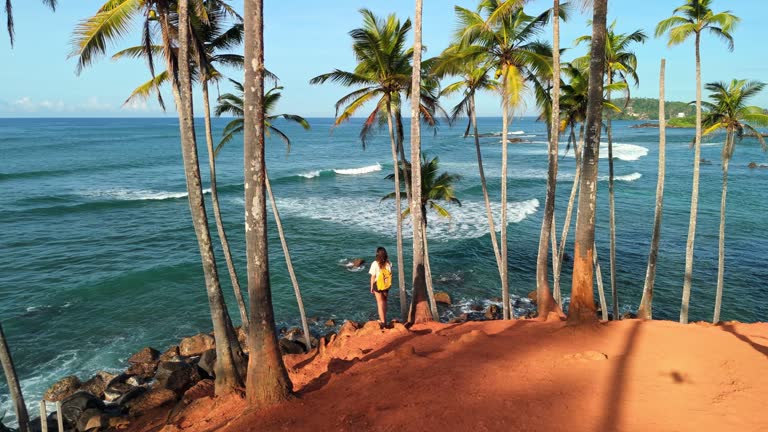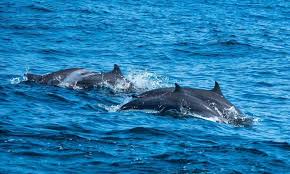
Mirissa, on Sri Lanka's south coast, sits next to a deep underwater canyon where blue whales — the largest animals to have ever existed — pass close to shore on their migration. Combined with sperm whales, fin whales, Bryde's whales and huge pods of spinner dolphins, it's one of the best whale-watching destinations on earth.
Best time of year
Season runs roughly 1 November to 15 April, with peak sighting odds between December and March. Outside this window the south coast is too rough and the boats stop running — the operators shift to Trincomalee on the east coast (May–September).
Realistic sighting odds
Whale sightings are never guaranteed and depend on the season, weather and sea conditions. Large pods of spinner dolphins are seen very frequently. Sperm whales and fin whales are less common but possible.
Operators that don't see a whale typically offer a second trip free the next day — confirm this policy before booking.
Choose an ethical operator
The Mirissa whale fleet has had issues with boats crowding whales and chasing them. Book one of the operators certified by the Marine Environment Protection Authority — they keep a 100 m distance, don't cut engines in front of whales and use larger, more stable vessels.
Raja & The Whales and Mirissa Water Sports are the two most consistently recommended. Be cautious with the lowest-priced boats — they are more often overloaded and less likely to follow approach-distance guidelines. Prices vary by season; confirm what's included when you book.
What to expect on the day
Boats depart at 06:30 from Mirissa Harbour. Total trip 4–5 hours. You'll be served breakfast on board, then steam 10–25 km offshore to the canyon. When a whale is spotted, the boat stops and waits for it to surface — usually 3–5 surface breaths over 10 minutes before it dives for another 15–20 minutes.
Cost in 2026: roughly USD 50–70 per person on a quality operator, including breakfast and life jacket.
Avoiding seasickness
The ocean is calmest in January–March. If you're prone to motion sickness, take Stugeron or Dramamine the night before AND 30 minutes before boarding. Stay on the upper deck, look at the horizon, and skip the heavy breakfast.
What to bring
Sunscreen, hat, sunglasses, light long sleeves (it's cold at sea before sunrise, hot after), a windproof layer and your camera with a 200mm+ lens. Don't bring drones — they're banned over whales.
Prices, fees and schedules — last verified August 2026
Last verified: August 2026. Entrance tickets, national park and safari fees, train fares and timetables, visa and ETA charges, opening hours, exchange rates and travel regulations in Sri Lanka are set by the relevant authorities and are revised from time to time.
Every price, duration and schedule in this guide is indicative and subject to change. Please confirm current details with the official source — the Department of Immigration and Emigration for visas and ETA, Sri Lanka Railways for train times and reservations, the Central Cultural Fund for heritage-site tickets and the Department of Wildlife Conservation for national parks — or message our team for an up-to-date quote.
Want a Mirissa whale-watching day combined with a private south-coast tour?
Chat on WhatsApp