Sri Lanka is one of Asia's easiest countries for a first trip: short distances, widely spoken English, and a compact loop that covers culture, mountains, wildlife and beaches in a week. This guide covers the practical basics. Last verified: August 2026 — regulations, fees and schedules can change, so confirm anything time-sensitive with the relevant official source before you travel.
Visa and entry requirements
Most visitors need an Electronic Travel Authorization (ETA) before arrival, applied for at the official Department of Immigration and Emigration site (eta.gov.lk). With effect from 25 May 2026, nationals of 40 selected countries are eligible for a free 30-day tourist ETA, subject to the official conditions; other nationalities pay a fee that varies by nationality and application method.
Standard requirements include a passport valid for at least six months, proof of onward travel and an address in Sri Lanka. Visa rules and fees change — confirm the current position directly with the Department of Immigration and Emigration before booking.
Currency, payments and tipping
The currency is the Sri Lankan rupee (LKR). Exchange rates move, so check a live rate rather than relying on a figure in any article. Cards are accepted in hotels, larger restaurants and city shops; carry cash for rural stops, entrance donations and tuk-tuks.
Tipping is customary but not obligatory. A common practice is rounding up in restaurants where no service charge is added, and giving a driver-guide a daily amount agreed among your group.
Getting around the island
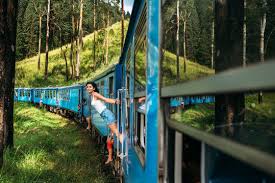
Distances are short but average speeds are low — 100 km can take three hours on winding roads. Trains are scenic and inexpensive but limited in coverage; intercity buses are cheap and crowded; tuk-tuks work for short hops (agree the fare or use a metered app).
Most visitors on a one- or two-week trip use a private car with a driver-guide, because it removes daily logistics and allows unscheduled stops. Self-driving is legal with a recognition permit but rarely recommended for a first visit.
Where to stay
Sri Lanka's accommodation range is unusually wide: family guesthouses, tea-estate bungalows, boutique hotels inside Galle Fort and full-service beach resorts.
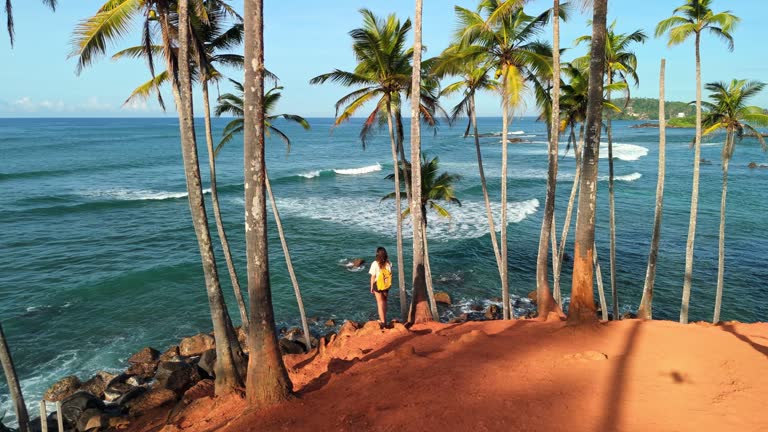
For a first trip, base yourself in four or five places rather than moving nightly — Negombo or Colombo, Sigiriya or Dambulla, Kandy, Ella or Nuwara Eliya, and one south-coast beach.
What to eat
Rice and curry is the national meal — usually rice with several vegetable curries, a sambol and a protein. Breakfast staples include hoppers, egg hoppers, string hoppers and pol roti with lunu miris.
Street food such as kottu roti is worth trying at busy stalls with high turnover. If you are unused to chilli, ask for dishes 'not spicy' — most kitchens will adjust.
Safety and health
Sri Lanka is generally considered a straightforward destination for tourists, with petty theft and traffic being the more common risks rather than violent crime. Check your own government's current travel advisory before departure.
Drink bottled or filtered water, use mosquito repellent (dengue is present), and take out travel insurance that covers medical treatment and safari or hiking activities. Private hospitals in Colombo and Kandy are well equipped.
Sample 7-day route
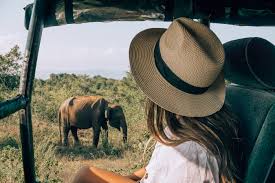
Day 1 Negombo; Day 2 Dambulla Cave Temple and Sigiriya; Day 3 Polonnaruwa or a Minneriya safari; Day 4 Kandy and the Temple of the Tooth; Day 5 tea country and Nuwara Eliya, with the hill-country train leg; Day 6 Ella; Day 7 south coast beach and departure.
That route keeps daily driving to roughly two to four hours. Add days rather than stops if you want it slower — the most common first-trip mistake is trying to cover the whole island in a week.
Prices, fees and schedules — last verified August 2026
Last verified: August 2026. Entrance tickets, national park and safari fees, train fares and timetables, visa and ETA charges, opening hours, exchange rates and travel regulations in Sri Lanka are set by the relevant authorities and are revised from time to time.
Every price, duration and schedule in this guide is indicative and subject to change. Please confirm current details with the official source — the Department of Immigration and Emigration for visas and ETA, Sri Lanka Railways for train times and reservations, the Central Cultural Fund for heritage-site tickets and the Department of Wildlife Conservation for national parks — or message our team for an up-to-date quote.
Want personalized advice on this topic from a local Sri Lankan team?
Chat on WhatsApp