There is no single bad month to visit Sri Lanka — there is only the wrong coast for the month you have chosen. Two separate monsoons hit opposite sides of the island at opposite times, so the trick is matching your dates to the right side. Weather patterns are averages, not promises; short rain showers are possible in any season.
Two monsoons, two seasons
The southwest (Yala) monsoon brings rain to the west and south coasts and the hill country roughly from May to September. The northeast (Maha) monsoon affects the north and east coasts roughly from November to February.
Because the two overlap only partially, some part of the coast is usually in its drier season. Rain in Sri Lanka also tends to arrive as intense afternoon downpours rather than all-day drizzle.
December to March: south and west coast
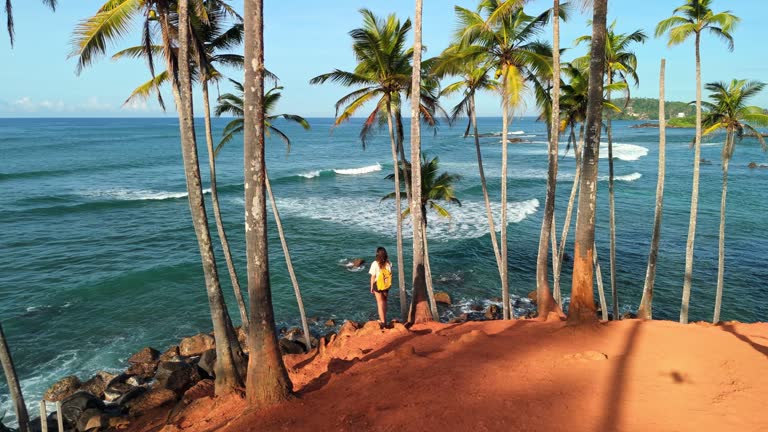
This is the main season for Mirissa, Unawatuna, Bentota, Galle and the southern national parks: calmer seas, more reliable sunshine and the blue-whale watching window off Mirissa.
It is also the busiest and most expensive period, particularly around Christmas, New Year and February. Book hotels and safaris well in advance for those dates.
April to September: east coast and cultural triangle
From roughly May onwards, Trincomalee, Nilaveli, Pasikuda and Arugam Bay come into their drier, calmer window; Arugam Bay's surf season peaks around this period.
The Cultural Triangle — Sigiriya, Polonnaruwa, Anuradhapura, Dambulla — is drier in this half of the year, and the Minneriya and Kaudulla elephant gathering usually builds through the July to October dry spell.
Hill country year-round
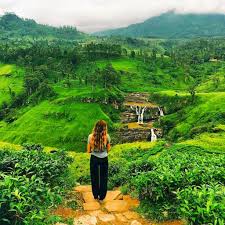
Kandy, Nuwara Eliya and Ella can be visited all year. Expect cool nights (roughly 10–16°C in Nuwara Eliya) and mist that can roll in at any time — early morning generally gives the clearest views.
January to March tends to bring the crispest highland visibility, which matters for Horton Plains and World's End.
Festivals worth planning around
Sinhala and Tamil New Year in mid-April is the biggest domestic holiday; many businesses close for a few days and domestic travel is heavy. The Esala Perahera in Kandy, usually held over ten nights in July or August, is the island's most spectacular procession — dates follow the lunar calendar and are announced each year.
Every full-moon (Poya) day is a public holiday, and the sale of alcohol is restricted. Check the current year's Poya calendar if that affects your plans.
Want personalized advice on this topic from a local Sri Lankan team?
Chat on WhatsApp