The cultural triangle links Anuradhapura, Polonnaruwa and Kandy with Sigiriya in the centre — Sri Lanka's UNESCO core. Three days is the right minimum; five lets you slow down and avoid temple fatigue.
Base yourself in Sigiriya or Habarana
Stay 3 nights in one base rather than hotel-hopping. Sigiriya village (boutique hotels with rock views) or Habarana (resorts with pools) are both ideal — 30–60 min from every triangle site.
Day 1 — Sigiriya Rock + Dambulla caves
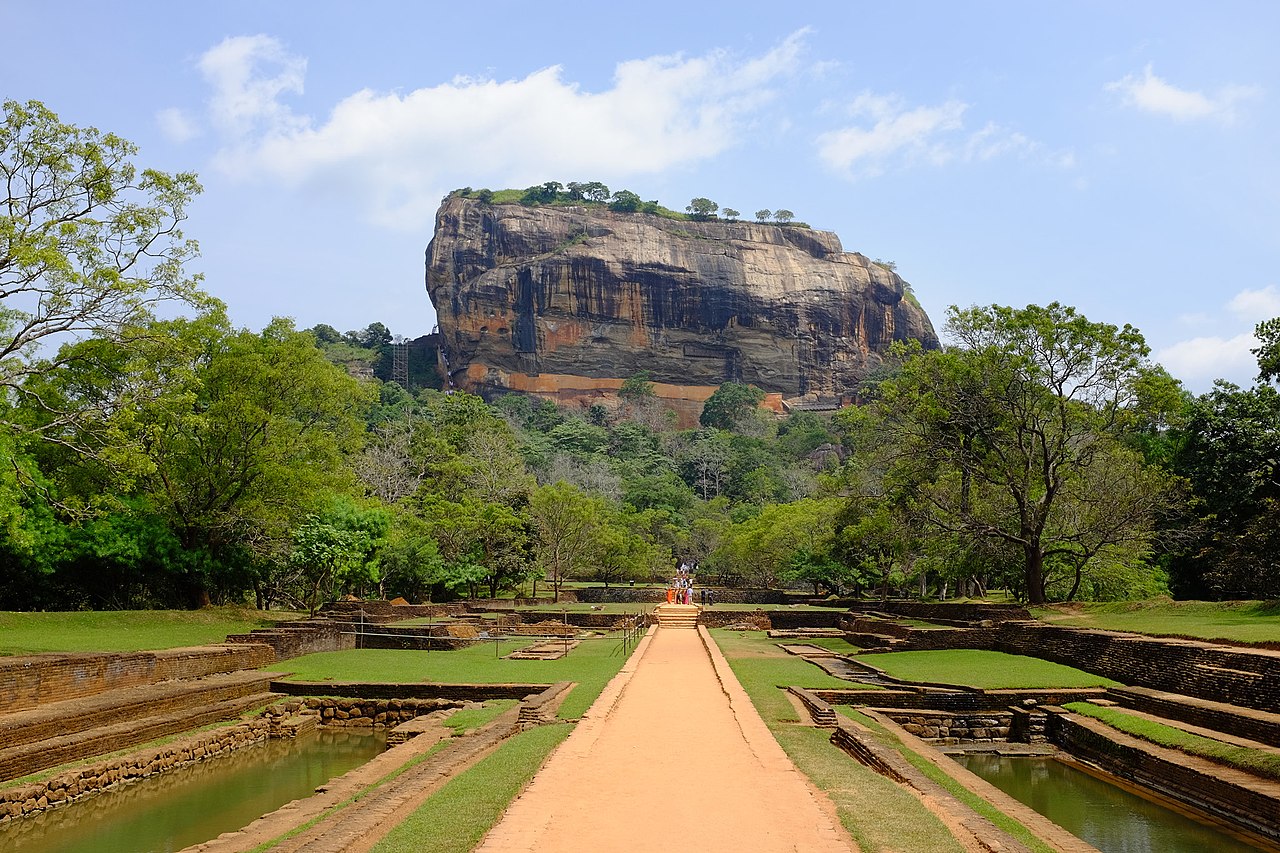
Climb Sigiriya at 7am to beat heat and crowds. Entry USD 35. Afternoon at Dambulla cave temple (USD 10) — 5 caves, more than 150 Buddha statues, 2,000-year-old frescoes.
Day 2 — Polonnaruwa by bicycle
The medieval capital. Rent bikes at the entrance (USD 5) — the ruins are spread over 5km and cycling is the right pace. Don't miss the Gal Vihara reclining Buddha. Entry USD 30.
Day 3 — Anuradhapura sacred city
Sri Lanka's oldest capital (4th century BC). The Sri Maha Bodhi tree, Ruwanwelisaya stupa and Jetavanaramaya are still active pilgrimage sites — dress modestly, knees & shoulders covered. Entry USD 30.
Optional Day 4 — Minneriya elephant safari
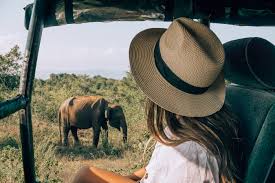
Late afternoon jeep safari to see 'The Gathering', one of the largest seasonal congregations of Asian elephants, at Minneriya tank (Jul–Sep is usually peak, and elephants move between Minneriya and Kaudulla depending on water levels). A 3-hour jeep plus park fees is typically around USD 45 per person — park fees are set by the authorities and change.
How many days do you need for the Cultural Triangle?
Two days covers the essentials: Sigiriya and Dambulla on the first day, Polonnaruwa on the second. It suits travellers on a one-week island loop who want the highlights before heading to Kandy or the hill country.
Three days is the balanced option for most first-time visitors. It adds Anuradhapura, which is the furthest site from a Sigiriya or Habarana base, so it deserves a full day of its own rather than being squeezed in.
Four days gives room for an elephant safari at Minneriya or Kaudulla, a rest afternoon at the hotel pool, or a quieter site such as Ritigala or Mihintale. It also helps anyone travelling with children or older relatives, because the ancient cities involve a lot of walking in strong sun.
Timing your visits around the heat
The Cultural Triangle sits in Sri Lanka's dry zone, and midday is often very hot and bright at exposed sites. Plan the main walking in the early morning — Sigiriya ideally at opening time — and again in the late afternoon.
Use the middle of the day for the drive between sites, lunch, or the shaded interior of the Dambulla caves. Polonnaruwa is most comfortable in the morning by bicycle; Anuradhapura's stupas and the Sri Maha Bodhi are pleasant in the late afternoon, when pilgrims gather for evening offerings.
Weather varies by month and year, so treat this as a general pattern rather than a guarantee. Carry water, a hat and sunscreen whatever the forecast says.
Temple dress code and visitor etiquette
Dambulla, Anuradhapura and parts of Polonnaruwa are active places of worship, not just archaeological sites. Cover your shoulders and knees — a light scarf and a sarong or long skirt or trousers work well — and remove shoes and hats before entering temple grounds. Stone paths can get hot, so thin socks help.
Never pose with your back to a Buddha statue for photos, touch or climb on statues, or point your feet towards images of the Buddha. Walk clockwise around stupas, keep your voice low, and ask before photographing monks or worshippers. Flash photography is often not allowed inside cave shrines.
Sigiriya or Pidurangala?
Sigiriya is the UNESCO-listed fortress itself, with the frescoes, the Lion's Paw terrace and the palace ruins on the summit. The entry fee is significantly higher and it gets busy from mid-morning.
Pidurangala is a neighbouring rock with a temple at its base and a rougher final scramble. It costs far less and gives the classic view of Sigiriya from the top, which makes it popular at sunrise or sunset. It does not replace the history and art of Sigiriya.
If you have time, many travellers do both — Sigiriya in the morning and Pidurangala on another morning or evening. For the climb, tickets and what you will see on Sigiriya itself, read our dedicated Sigiriya visitor guide linked on this page.
Practical tips
Wear closed shoes for Sigiriya (the stairs are hot). Carry a sarong for temples. If you plan to visit several Cultural Triangle sites, ask about combined ticket options — availability and pricing are set by the authorities and change, so confirm current rates on arrival.
Prices, fees and schedules — last verified August 2026
Last verified: August 2026. Entrance tickets, national park and safari fees, train fares and timetables, visa and ETA charges, opening hours, exchange rates and travel regulations in Sri Lanka are set by the relevant authorities and are revised from time to time.
Every price, duration and schedule in this guide is indicative and subject to change. Please confirm current details with the official source — the Department of Immigration and Emigration for visas and ETA, Sri Lanka Railways for train times and reservations, the Central Cultural Fund for heritage-site tickets and the Department of Wildlife Conservation for national parks — or message our team for an up-to-date quote.
Want a private cultural triangle tour? WhatsApp us — we include all entry fees and an archaeology-trained guide.
Chat on WhatsApp